Bugs, Bees, and Ants: Creative Ways to Use Play Insects in Speech Therapy
It's that time of year when the bugs are back outside… and apparently in my therapy room too.
Plastic ants on the table. Bees in the sensory bin. A fly swatter that has somehow become the most requested tool on my shelf. My kids are obsessed, and honestly? I'm not mad about it. Insects are one of those themes that kids lock into immediately, and that natural curiosity is exactly the kind of motivation we want to work with in therapy.
Here are some of my favorite ways to use bugs, bees, and all things creepy-crawly to target real speech and language goals.
and….. drumroll please….. After you finish this post, there are even more SUMMER-themed blog posts from fellow SLP’s, check out the list here.
🪲 Fly Swatter Articulation
This one gets loud. Lay your articulation cards face-up on the table (or floor, or a sensory bin lid), scatter some plastic bugs on top, and hand your student a fly swatter.
They swat the bug, say the word, done. The fly swatter is the star here. Dollar stores carry some really fun shapes right now, and I promise the novelty alone will buy you about 20 extra repetitions per session. Kids who "don't want to practice" somehow want to practice a lot when there's a fly swatter involved.
If you want a structured articulation activity with a bee theme already built in, my Bee Articulation Activities and Craft for Speech Therapy has you covered. It targets speech sounds AND prepositions, so you're hitting multiple goals without juggling separate activities.
🥚 Spider Egg Sensory Bin
Hide plastic spiders (or any bug) inside balls of playdough to make "eggs," then tuck them into a sensory bin. Students dig around, find an egg, squish it open, and discover what's inside.
The language possibilities here are wonderful. Core words like "open," "what," "me," "hide," "yuck," and "scared" come up completely naturally. You're not drilling them. They're just… happening. That's the magic of play-based therapy, and bugs make it feel just a little wilder than the usual sensory bin setup. Kids remember the day they found the spider egg. They don't remember the drill sheet.
Bug Headband Craft Activity for Articulation
🦟 Bug Headbands for Articulation
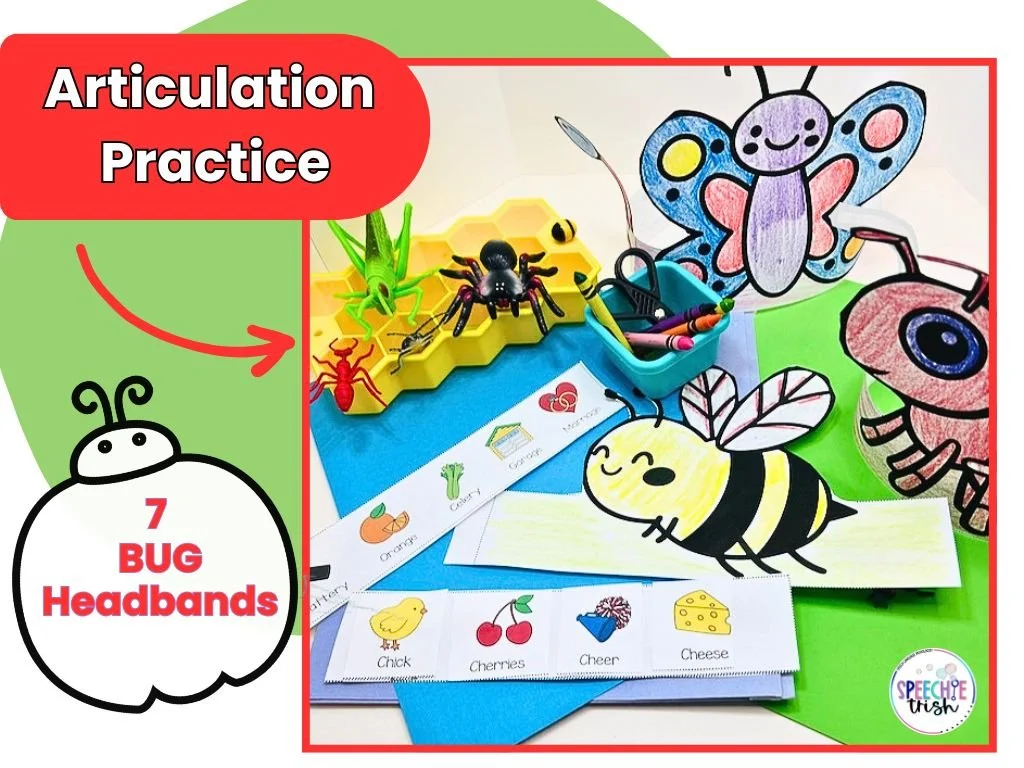
Headbands are such a hit in speech! We can work on target sounds in words, sentences and phrases and create a wearable, bug headband that kids wear out of the therapy room and into their classrooms and homes to work on carryover of the sounds. This Articulation Bug and Insect Headband Craft Activity is no prep and kids love to wear bugs on their head! They get to choose among 7 different insects.
🐝 Honey Bee Tree for Core Vocabulary and Reinforcement
If you don't have the game Honey Bee Tree , I want to talk you into it. The bees pop out when the leaves fall and kids absolutely love the suspense. But here's how I use it beyond just the game:
🐝 Pull the bees out and drop them in a sensory bin for preposition work (in, on, under, next to) 🐝 Use the bees as reinforcers during articulation practice. There are a lot of bees, which means a lot of repetitions 🐝 The gameplay itself naturally targets core words: "pull, out, fall down, uh oh, my turn, your turn, push, bee, leaf"
Digital Prepostions with Bees
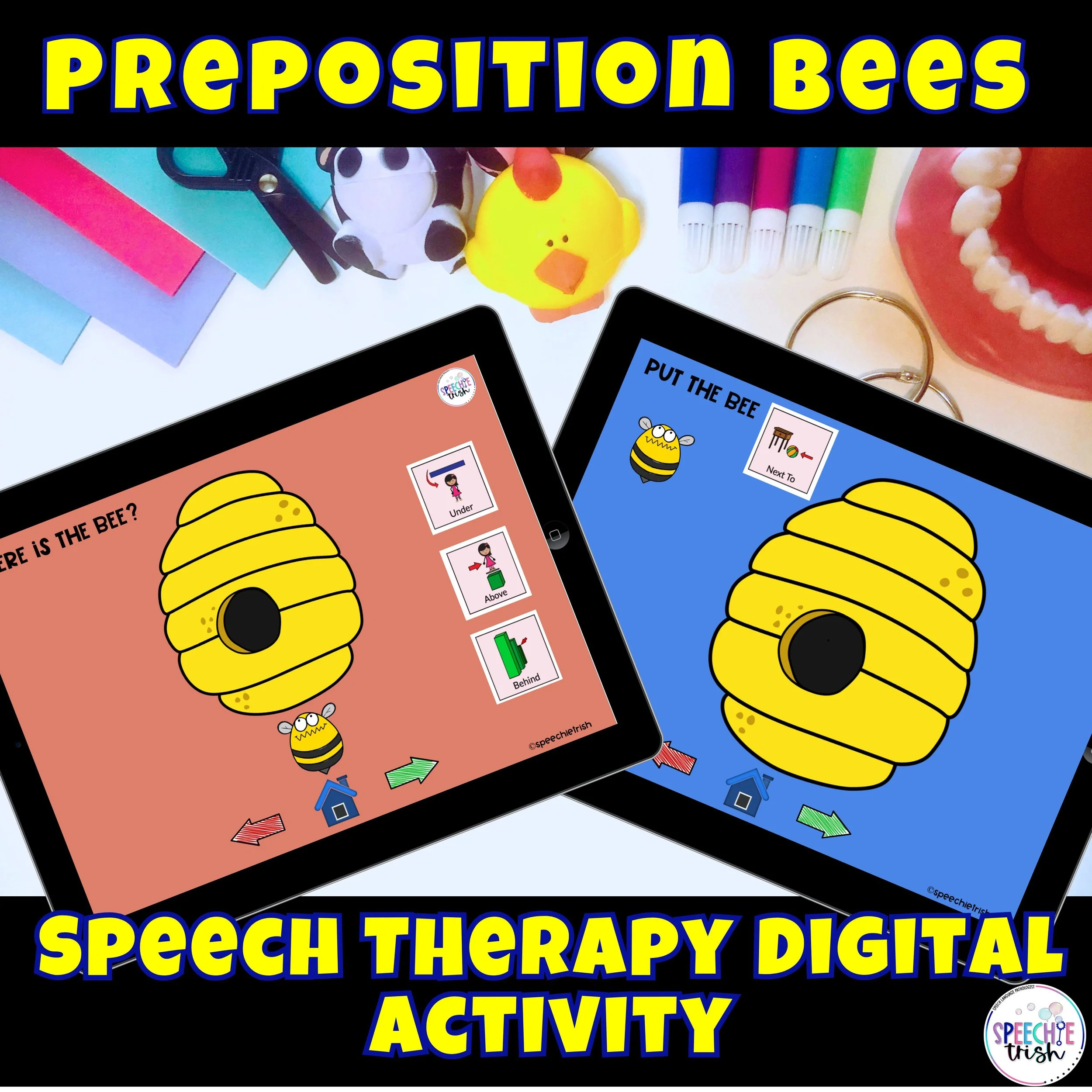
For a fully digital preposition activity with a bee theme, my Digital Preposition Activity with Bees gives you three interactive activities you can pull up on a tablet or screen with zero prep. Great for teletherapy days or when your sensory bin is buried under the pile of stuff you keep meaning to organize. (No judgment. Same.)
🐜 Ant Picnic for Basic Concepts
If you have my 10 Hungry Ants Interactive Printable Story, here's a fun extension: use the printed ants from the story to set up a pretend picnic.
Grab a basket, some paper plates and cups, and pretend to spread out the food. Hide the ants "in, on, next to, under" the basket or around the picnic setup. Students find them, describe where they were, and you're targeting basic concepts in a context that actually makes sense. It hits those "child will use prepositions in functional contexts" IEP goals beautifully, and the kids think they're just having a picnic.
🪲 Bug Sorting for Attributes and Descriptors
Dump out a container of mixed plastic bugs and just… start sorting and describing.
This one is quietly one of my favorites for IEP goals targeting attributes. "That one is red and has wings." "This one is small and black." "Mine has six legs and yours has eight." You're hitting 2-3 attribute descriptions without it feeling like a target at all. It feels like playing. Which is because it is.
It doesn't need to be complicated. A bag of dollar store bugs, a table, and a few minutes is all it takes to get meaningful language practice out of this one.
📚 Books That Work Beautifully with a Bug Theme
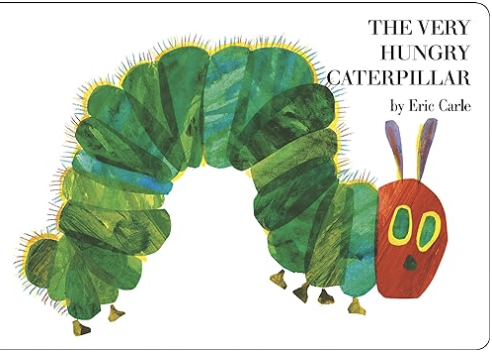
Pairing a book with your bug theme pulls everything together. Here are three I reach for:
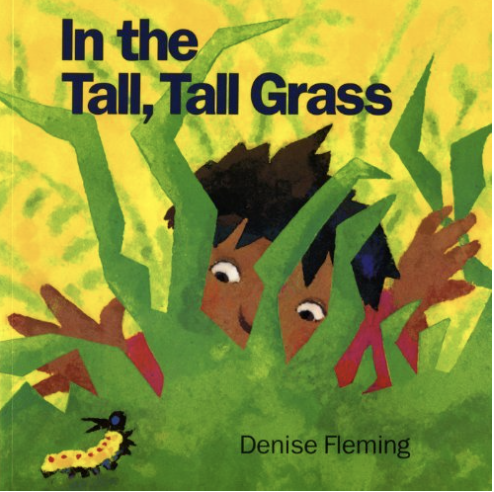
In the Tall, Tall Grass by Denise Fleming — gorgeous illustrations, simple repetitive text, and the perfect opportunity to imitate early sound combinations (buzz, hum, crunch). Read it outside if you can. The experience is unmatched.
The Very Hungry Caterpillar by Eric Carle — classic for a reason. Sequencing, counting, naming foods, predicting what comes next, core vocabulary. This book works with kids of all ability levels and honestly never gets old.
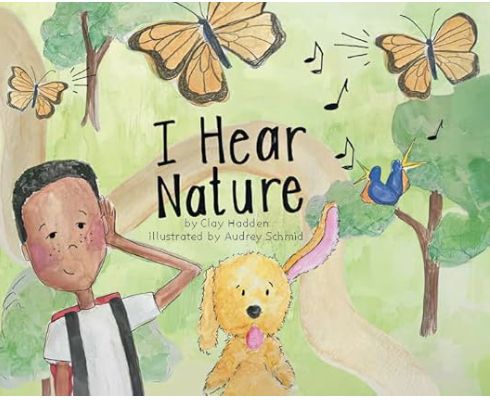
I Hear Nature by Clay Hadden — written by a fellow SLP, which already tells you it was built with therapy targets in mind. It's wonderful for exploring surroundings, imitating nature sounds, and building early sound combinations. If you haven't grabbed this one yet, add it to your cart.
All three of these are great for targeting prediction skills, play skills, and onomatopoeia (buzz, shhh, tweet). Take them outside sometime. Kids pay attention differently when they're not sitting in the therapy room. You get it.
Bugs aren't just a spring theme. They're a vehicle for real, meaningful language practice that kids actually look forward to. Start small, see what your kids respond to, and let the play lead the way.
From bugs to camping….. here is another amazing theme to use in speech this summer. My friend Allison Fors has put together tons of incredible camping themed speech therapy activities (including free wh-questions right on the post!)
A quick note: some of the links in this post are affiliate links, which means I may earn a small commission if you make a purchase — at no extra cost to you. I only ever recommend products I use myself in my own therapy room.